Check email after placing order

Introduction
In scientific research, safety and compliance are the foundations of credible and responsible work. Best Practices for Handling Research Chemicals requires not only technical expertise but also a commitment to minimizing risks for researchers, colleagues, and the environment. At RESEARCHCHEMSHUB, we emphasize strict safety protocols to ensure that every study is conducted with integrity and care.
This guide outlines best practices for handling research chemicals safely — from hazard awareness and protective equipment to emergency preparedness and waste disposal.
1. Understand the Hazards
Before handling any compound, researchers must thoroughly understand its properties and risks. The Safety Data Sheet (SDS) provided with each chemical is the first point of reference. It includes critical details such as:
- Toxicity and exposure limits
- Flammability and reactivity risks
- Environmental impact and disposal requirements
🔑 Tip: Review the SDS before each experiment and communicate hazards during lab safety briefings.
2. Use Personal Protective Equipment (PPE)
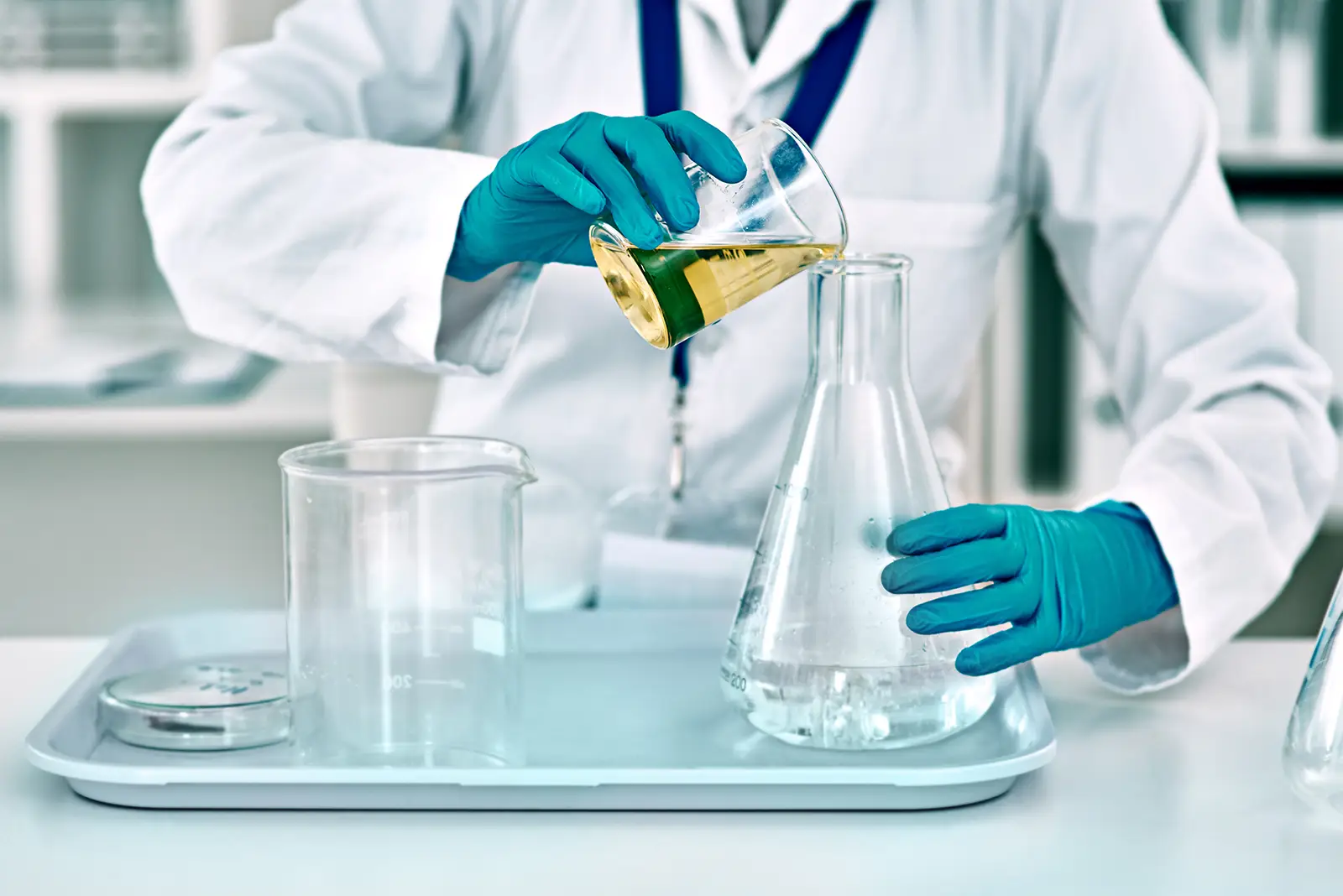
Appropriate personal protective equipment is non-negotiable when working with chemicals. Standard PPE includes:
- Lab coats to prevent contamination of clothing
- Gloves resistant to chemical permeation
- Safety goggles or face shields to protect eyes
- Respirators when working with volatile or airborne compounds
Check PPE for damage before use and replace it regularly to maintain effectiveness.
3. Maintain Proper Ventilation
Adequate ventilation is vital when working with volatile, corrosive, or toxic substances. Whenever possible:
- Conduct procedures in a chemical fume hood
- Regularly test ventilation systems for proper airflow
- Use localized exhaust systems for specific equipment
Good ventilation reduces inhalation risks and improves overall lab safety.
4. Follow Proper Storage Guidelines
Improper storage can lead to dangerous reactions, contamination, or degradation of chemicals. Best practices include:
- Segregating incompatible substances (e.g., acids and bases)
- Using temperature-controlled environments when required
- Clearly labeling all containers with chemical names and hazard warnings
- Regularly inspecting inventory for leaks, expired materials, or damage
5. Implement Safe Handling Procedures
Safe handling begins with standardized protocols. Researchers should:
- Use tools like pipettes, tongs, or spill trays to avoid direct contact
- Keep workspaces free of food, drinks, and electronics
- Follow step-by-step procedures rather than improvising
- Minimize the quantities of hazardous chemicals handled at one time
Consistency in procedures reduces the likelihood of accidents.
6. Prepare for Emergencies
Even with preventive measures, accidents can happen. Every laboratory should have an emergency plan that includes:
- Accessible eyewash stations and safety showers
- Spill kits and absorbents for quick response
- Fire extinguishers placed near chemical work areas
- Regular staff training in evacuation, spill control, and first aid
Regular safety drills help ensure a rapid, effective response when it matters most.
7. Dispose of Waste Properly
Safe disposal of research chemicals is a legal and ethical obligation. Best practices:
- Use designated waste containers for solvents, acids, bases, and sharps
- Label waste containers clearly with contents and hazards
- Store waste securely until collected by authorized disposal services
- Keep disposal logs for audits and compliance
Improper disposal not only endangers health but can also lead to legal penalties.
8. Keep Accurate Records
Maintaining detailed records is essential for accountability and compliance. Keep logs of:
- Chemical purchases and inventory
- Usage amounts and disposal methods
- Storage conditions and inspections
- Any incidents, accidents, or near-misses
Accurate record-keeping supports internal safety audits and demonstrates compliance with regulatory authorities.

Best Practices for Handling Research Chemicals Tips for Everyday Lab Safety
In addition to structured protocols, small daily practices make a big difference:
- Wash hands after handling chemicals, even when wearing gloves
- Never pipette by mouth — always use mechanical pipettes
- Clearly mark areas for “clean” vs. “chemical handling” work
- Encourage a safety culture where everyone is responsible for vigilance
RESEARCHCHEMSHUB: Best Practices for Handling Research Chemicals for your Safety
At XPRESS CHEMS, we go beyond providing high-quality research chemicals. We supply:
- Comprehensive safety documentation with every product
- Expert guidance on handling, storage, and compliance
- Ongoing support to help laboratories implement safe practices
By prioritizing safety, researchers can pursue innovation confidently, knowing they are minimizing risks and protecting their colleagues and institutions.
Conclusion
Safe handling of research chemicals is a shared responsibility that requires preparation, vigilance, and adherence to best practices. From PPE and storage to emergency readiness and proper waste disposal, each step plays a vital role in safeguarding researchers and ensuring scientific integrity.
By following these practices — and partnering with suppliers committed to compliance — researchers can focus on advancing knowledge with confidence and peace of mind.
Frequently Asked Questions (FAQ) on Best Practices for Handling Research Chemicals
Q1: Why is PPE essential when handling research chemicals?
A: PPE provides a protective barrier against accidental spills, splashes, or inhalation of hazardous substances, reducing the risk of injury.
Q2: What is the role of a Safety Data Sheet (SDS)?
A: The SDS outlines a chemical’s hazards, safe handling guidelines, emergency procedures, and disposal requirements. It is the foundation of chemical safety.
Q3: How should incompatible chemicals be stored?
A: Store acids away from bases, oxidizers away from flammables, and always use separate, clearly labeled storage areas for incompatible substances.
Q4: What should I do if a chemical spill occurs?
A: Follow your lab’s emergency plan: evacuate if necessary, use spill kits, and report the incident. Only trained personnel should clean up hazardous spills.
Q5: Why is chemical waste disposal regulated?
A: Improper disposal can harm the environment, contaminate water supplies, and violate local, national, or international laws.