Check email after placing order


Introduction
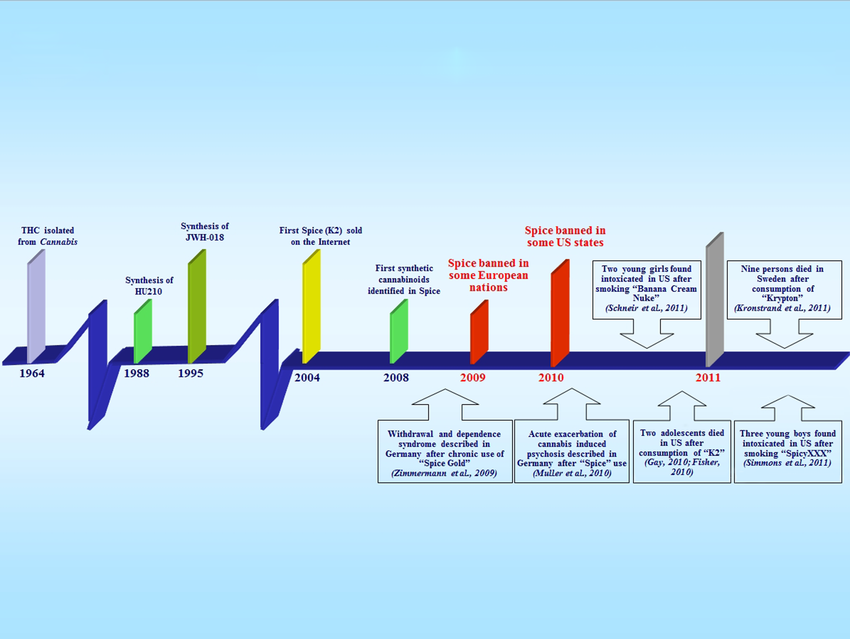
The Evolution of Synthetic Cannabinoids have emerged as a significant area of interest in chemical and pharmacological research, offering unique insights into the complexities of the endocannabinoid system and its therapeutic potential. Their evolution reflects decades of progress in chemical synthesis, receptor pharmacology, and regulatory science.
This article explores the origins, scientific contributions, challenges, and future directions of synthetic cannabinoids, highlighting their role in advancing both basic research and applied medicine.
Origins and Initial Development Of Evolution of Synthetic Cannabinoids
The development of synthetic cannabinoids began in the mid-20th century, when scientists sought to understand the structure–activity relationships of naturally occurring cannabinoids such as THC (tetrahydrocannabinol) and CBD (cannabidiol).
- Early research focused on modifying chemical structures to study potency, selectivity, and binding to the body’s CB1 and CB2 receptors.
- By synthesizing analogs, researchers uncovered valuable data about how cannabinoids interact with the nervous and immune systems.
- These efforts laid the groundwork for the modern understanding of the endocannabinoid system.
Pharmacological Exploration
Evolution of Synthetic Cannabinoids have been instrumental in advancing research on physiological regulation. Through targeted design, scientists created analogs with varying affinities and receptor activities, helping to uncover mechanisms that influence:
- Pain modulation
- Appetite regulation
- Mood and anxiety control
- Immune system response
This exploration has also pointed to therapeutic targets in chronic conditions such as epilepsy, multiple sclerosis, neurodegenerative diseases, and chronic pain syndromes.
Diversity and Complexity
As research expanded, the diversity and complexity of synthetic cannabinoids grew considerably. Scientists developed multiple classes of compounds, each with distinct chemical scaffolds and pharmacological profiles.
This diversity has enabled:
- Comparative studies of receptor binding.
- Evaluation of selectivity between CB1 and CB2 receptors.
- Insights into biased signaling — the ability of different molecules to activate unique cellular pathways.
Such diversity has made synthetic cannabinoids essential research tools in molecular pharmacology and therapeutic drug design.
Challenges and Concerns on Evolution of Synthetic Cannabinoids
Despite their value in research, synthetic cannabinoids present challenges:
- Public health risks: Recreational misuse has led to adverse events, as some compounds are far more potent than THC and can trigger severe cardiovascular, neurological, or psychiatric effects.
- Regulatory responses: Many jurisdictions have imposed strict controls, bans, or scheduling laws to mitigate misuse.
- Research barriers: Regulatory restrictions can also slow scientific progress, requiring researchers to navigate complex licensing processes.
These challenges highlight the delicate balance between scientific discovery and public safety.
Current Trends and Future Directions
The field continues to evolve with exciting new directions:
- Safer, more selective molecules – Researchers are designing cannabinoids that precisely target CB2 receptors (linked to immune modulation) while avoiding psychoactive CB1 effects.
- Computational chemistry and modeling – Advanced modeling tools enable structure-based drug design, reducing trial-and-error in the lab.
- Non-psychoactive synthetic cannabinoids – These compounds aim to harness therapeutic benefits without the intoxicating effects of THC.
- Broader therapeutic exploration – Potential applications include neurodegenerative diseases, cancer, inflammatory conditions, and psychiatric disorders.
Together, these trends promise a new era of precision cannabinoid pharmacology.
RESEARCHCHEMSHUB: Supporting Cannabinoid Research
At RESEARCHCHEMSHUB, we support researchers exploring the frontiers of cannabinoid pharmacology by providing:
- High-quality synthetic cannabinoids manufactured to rigorous standards.
- Comprehensive documentation (COAs, SDS) for compliance and reproducibility.
- Expert support to help researchers navigate regulatory and scientific challenges.
Our mission is to empower scientists to conduct responsible, impactful research that contributes to the future of medicine.
Conclusion
The story of synthetic cannabinoids is one of scientific progress, complexity, and promise. From their origins as tools to study THC and CBD, to their current role in uncovering therapeutic opportunities, synthetic cannabinoids have reshaped our understanding of the endocannabinoid system.
As the field advances, the focus is shifting toward safer, targeted compounds with meaningful medical applications. With continued innovation, synthetic cannabinoids may play a vital role in unlocking new treatments for some of today’s most pressing health challenges.
For researchers ready to explore this dynamic field, RESEARCHCHEMSHUB is here to provide the tools, guidance, and quality needed to move science forward.
Frequently Asked Questions (FAQ) Of The Evolution of Synthetic Cannabinoids
Q1: What are synthetic cannabinoids?
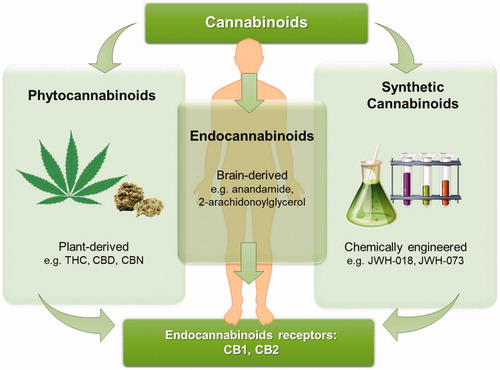
A: Synthetic cannabinoids are laboratory-designed compounds that mimic or modify the activity of natural cannabinoids like THC and CBD by interacting with CB1 and CB2 receptors.
Q2: Why are synthetic cannabinoids important in research?
A: They allow scientists to study the endocannabinoid system in detail, offering insights into receptor activity, potential therapies, and novel pharmacological mechanisms.
Q3: Are synthetic cannabinoids legal for research?
A: Legality varies by jurisdiction. Many compounds are regulated or controlled, requiring researchers to obtain licenses and work with compliant suppliers.
Q4: How do synthetic cannabinoids differ from natural cannabinoids?
A: While natural cannabinoids are derived from plants, synthetic cannabinoids are chemically engineered. They often have higher potency or different selectivity for cannabinoid receptors.
Q5: What therapeutic areas are being explored with synthetic cannabinoids?
A: Potential applications include pain management, epilepsy, neurodegenerative diseases, inflammation, and cancer.
Q6: What risks are associated with recreational use of synthetic cannabinoids?
A: Recreational misuse can cause unpredictable and severe health effects, including heart problems, seizures, psychosis, and in extreme cases, fatalities.