Check email after placing order

Introduction
In neuroscience and pharmacology, two categories of compounds often discussed for their contrasting effects and difference between dissociatives and stimulants in the brain. While both influence brain function, they do so through very different mechanisms. Understanding how these classes differ not only improves scientific literacy but also highlights their distinct roles in research and medicine. This article explores how dissociatives and stimulants work, their primary applications, and why researchers continue to study them.
Mechanism of Action
Dissociatives
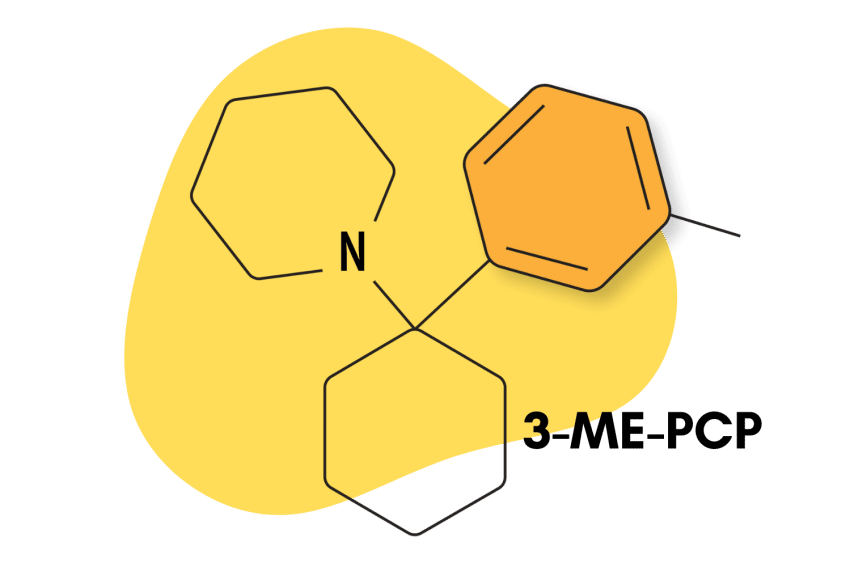
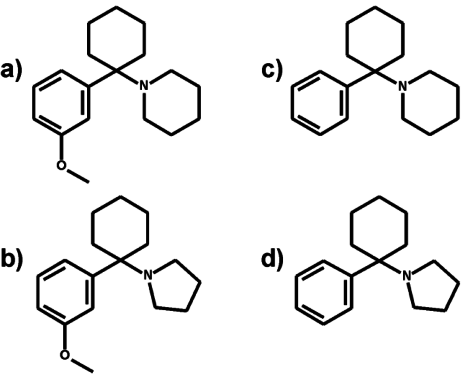
Dissociative compounds primarily function as NMDA receptor antagonists. The NMDA receptor is part of the glutamate system, a key pathway involved in learning, memory, and synaptic plasticity. By blocking these receptors, dissociatives reduce the normal excitatory signals in the brain.
From a neurological perspective, this disruption creates a state where perception, memory, and sensory input may become disconnected — hence the term dissociative. In laboratory settings, NMDA antagonists are studied for their potential role in understanding neuroplasticity, consciousness, and treatment-resistant conditions.
Stimulants
In contrast, stimulants target pathways associated with dopamine and norepinephrine, two neurotransmitters critical for attention, motivation, and arousal. Many stimulants work as dopamine reuptake inhibitors or releasers, which means they increase the concentration of these neurotransmitters in the synaptic cleft.
The result is heightened alertness, increased focus, and in some cases improved physical performance. Researchers investigate stimulants to better understand executive function, sleep disorders, and psychiatric conditions such as ADHD.
Applications in Research and Medicine
Dissociatives in Research
- Anesthesia Studies: Some dissociative compounds have been foundational in surgical anesthesia.
- Neuroscience: By blocking NMDA activity, dissociatives help researchers map out the role of glutamate in cognition.
- Mental Health Investigations: Scientists study dissociatives for their potential to influence mood disorders, depression, and post-traumatic stress disorder (PTSD).
Stimulants in Research
- Cognitive Enhancement: Stimulants provide insights into attention span, learning capacity, and executive function.
- Sleep Disorders: Conditions like narcolepsy are closely linked to stimulant research.
- Medical Treatments: Clinically approved stimulants continue to be used for ADHD and related conditions, with ongoing studies exploring long-term outcomes.
Key difference between dissociatives and stimulants in the brain
While both dissociatives and stimulants affect brain chemistry, the mechanisms and outcomes are distinctly different.
| Aspect | Dissociatives | Stimulants |
|---|---|---|
| Primary Target | NMDA/glutamate receptors | Dopamine/norepinephrine systems |
| Effect on Brain | Reduced excitatory signaling; altered perception | Increased arousal, alertness, motivation |
| Research Applications | Anesthesia, neuroplasticity, mood disorder studies | ADHD, narcolepsy, cognitive performance |
| Potential Risks | Neurotoxicity at high levels; dissociation from reality | Cardiovascular strain; dependency potential |
These differences underline why researchers consider them separate categories with unique roles.
Future Directions in Research
The study of dissociatives is gaining renewed attention in psychiatry. Compounds that act on NMDA receptors are being explored as rapid-acting antidepressants, opening up possibilities for individuals who do not respond to traditional medications.
Meanwhile, stimulant research continues to evolve in both clinical and non-clinical settings. New formulations aim to maximize therapeutic benefits while reducing misuse potential. Advances in neuroimaging and brain mapping may also shed light on how stimulants influence long-term brain development.
Conclusion
Although dissociatives and stimulants are often discussed side by side, they represent two very different approaches to influencing brain function. Dissociatives modulate glutamate signaling and alter perception, while stimulants enhance dopamine and norepinephrine activity to boost alertness and focus.
For researchers and medical professionals, understanding these distinctions is essential. Each class offers unique insights into the human brain, supporting ongoing efforts to improve treatments, refine laboratory models, and expand scientific knowledge.
FAQ
Q: What is the difference between dissociatives and stimulants?
A: Dissociatives act as NMDA receptor antagonists, reducing excitatory signaling in the brain, while stimulants enhance dopamine and norepinephrine activity, leading to increased alertness and focus.
Q: What are dissociatives used for in research?
A: They are studied in relation to anesthesia, neuroplasticity, mood disorders, and perception.
Q: What are stimulants used for in medicine?
A: Stimulants are commonly prescribed for ADHD, narcolepsy, and studied for their impact on cognitive performance.
Hi, this is a comment.
To get started with moderating, editing, and deleting comments, please visit the Comments screen in the dashboard.
Commenter avatars come from Gravatar.