Check email after placing order

In modern neuroscience and pharmacology, few receptor systems have received as much attention as the N-Methyl-D-Aspartate (NMDA) receptor.
This receptor plays a critical role in learning, memory, and neuroplasticity — the brain’s ability to form and reorganize synaptic connections.
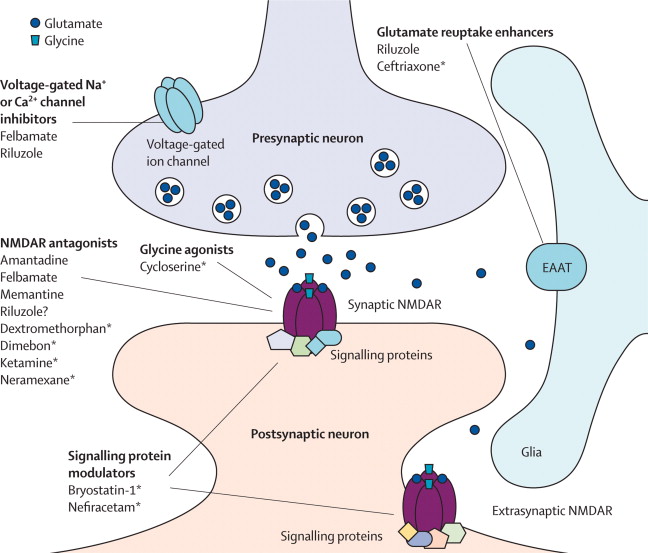
Because of its central role, NMDA Receptor Antagonists Research Guide have become powerful tools in research related to depression, neurodegeneration, pain management, and cognitive disorders.
This guide breaks down what NMDA receptor antagonists are, how they function, why researchers use them, and what to consider when sourcing or studying them.
What Are NMDA Receptor Antagonists?
An NMDA receptor antagonist is a compound that blocks the activity of the NMDA receptor — a subtype of glutamate receptor in the central nervous system.
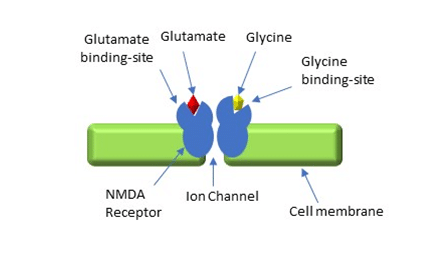
Normally, the NMDA receptor is activated when glutamate and glycine bind to it, allowing calcium (Ca²⁺) and sodium (Na⁺) ions to flow into neurons. This process is essential for normal synaptic signaling, learning, and memory formation.
However, excessive NMDA receptor activation can lead to excitotoxicity, a process where too much calcium influx causes neuronal injury or death.
NMDA antagonists help researchers study this mechanism and explore potential therapeutic interventions that protect neurons from overexcitation.
Types of NMDA Receptor Antagonists
NMDA receptor antagonists can be categorized based on their mechanism of action and binding site on the receptor. Here are the main types:
1. Competitive Antagonists
These compounds directly compete with glutamate or glycine for the receptor’s binding site.
By blocking these sites, they prevent receptor activation.
Examples:
- APV (2-Amino-5-phosphonovaleric acid)
- CPP (3-(2-Carboxypiperazin-4-yl)propyl-1-phosphonic acid)
2. Non-Competitive Antagonists
These bind to a different site on the receptor (not where glutamate binds) and inhibit receptor function indirectly.
They don’t compete with the natural ligand but block the receptor’s ion channel when it’s active.
Examples:
- Ketamine
- MK-801 (Dizocilpine)
- Phencyclidine (PCP, used in controlled lab environments only)
3. Uncompetitive (Channel-Blocking) Antagonists
These bind inside the ion channel pore after the receptor is activated, effectively blocking ion flow.
Their activity is use-dependent, meaning they only work when the channel is open.
Examples:
- Memantine
- Amantadine
- Dextromethorphan (at higher concentrations)
4. Allosteric Modulators
Rather than blocking the channel, these modify how the receptor responds to stimulation, enhancing or reducing activity without complete blockade.
Examples:
- Ifenprodil
- Ro 25-6981 (selective for NR2B subunit)
NMDA Receptor Antagonists Research Guide: Structure and Function
To understand how these antagonists work, it’s important to know how the receptor functions.
The NMDA receptor is a tetrameric complex, typically composed of:
- Two NR1 subunits (which bind glycine)
- Two NR2 subunits (which bind glutamate)
Activation requires:
- Binding of both glutamate and glycine
- Removal of a magnesium (Mg²⁺) block by depolarization
Once active, the receptor allows Ca²⁺ and Na⁺ influx, triggering signaling cascades involved in synaptic plasticity, long-term potentiation (LTP), and neuronal growth.
NMDA receptor antagonists interfere with this process, allowing researchers to:
- Examine the effects of reduced glutamatergic transmission
- Model disorders involving neurotoxicity or glutamate imbalance
- Investigate new therapeutic compounds for neurological and psychiatric diseases
Applications of NMDA Receptor Antagonists in Research
1. Neuroprotection and Excitotoxicity Studies
Excessive NMDA receptor activation leads to calcium overload and neuronal death.
Antagonists like MK-801 and memantine are used to study protective mechanisms against such damage — particularly in stroke, trauma, and epilepsy models.
2. Depression and Mood Disorders
NMDA antagonists such as ketamine have reshaped depression research due to their rapid-acting antidepressant effects.
Research explores how NMDA blockade triggers downstream effects that restore synaptic strength and neuronal connectivity in mood-related brain regions.
3. Pain and Analgesia Research
Chronic pain often involves central sensitization, where NMDA receptors amplify pain signaling.
Antagonists help researchers understand how blocking these receptors can reduce hyperalgesia and neuropathic pain.
4. Cognitive Function and Memory Studies
Since NMDA receptors are essential for learning and memory, antagonists are used to study how blocking these receptors affects LTP and cognitive performance in both animals and humans.
5. Neurodegenerative Diseases
Conditions like Alzheimer’s disease, Parkinson’s disease, and Huntington’s disease involve disrupted glutamate signaling.
Research on NMDA antagonists like memantine aims to understand how modulating receptor activity can slow down neurodegeneration.
Mechanisms of Action: How NMDA Antagonists Work
Most NMDA antagonists work by limiting calcium influx, which in turn:
- Reduces neuronal overactivation
- Prevents oxidative stress
- Decreases cellular apoptosis
- Modulates synaptic signaling
Depending on the compound, antagonists may:
- Bind inside the ion channel (e.g., MK-801)
- Block the glutamate site (e.g., APV)
- Alter receptor subunit function (e.g., NR2B-selective compounds)
This allows precise control over which aspect of receptor function is affected, giving researchers a wide range of experimental flexibility.
Choosing the Right NMDA Antagonist for Your Research
Selecting the correct compound depends on research objectives, model system, and desired specificity.
| Research Focus | Recommended Antagonist Type | Example Compound |
|---|---|---|
| Neuroprotection | Channel blocker | MK-801 |
| Depression models | Non-competitive antagonist | Ketamine |
| Cognitive studies | Competitive antagonist | APV |
| Alzheimer’s research | Low-affinity blocker | Memantine |
| Pain modulation | NR2B-selective modulator | Ro 25-6981 |
When purchasing NMDA antagonists, ensure that:
- The purity level is ≥99%
- A valid COA (Certificate of Analysis) is provided
- The product is research-use only, not for human or veterinary use
- Proper storage and handling conditions are followed (usually cool, dry, and protected from light)
Safety and Handling Considerations
NMDA receptor antagonists are potent pharmacological agents.
Even when used strictly for research, it’s essential to maintain laboratory safety standards:
- Handle with nitrile gloves and eye protection
- Use in a fume hood or controlled airflow workstation
- Avoid inhalation or direct contact
- Store in sealed, labeled containers
- Dispose of according to local hazardous waste protocols
At Research Chems Hub, all NMDA antagonists are sold strictly for laboratory research. Every product includes a verified COA to ensure purity, identity, and analytical traceability.
Emerging Trends in NMDA Antagonist Research
- Subunit-Selective Antagonists:
New compounds target specific NMDA receptor subunits (NR2A or NR2B) for greater precision and fewer side effects. - Antidepressant Pathways:
Understanding how ketamine induces rapid synaptic remodeling is opening new directions for antidepressant drug development. - Combination Therapies:
Studies now explore combining NMDA antagonists with AMPA receptor modulators to fine-tune synaptic signaling. - Computational Modeling:
Molecular simulations are helping researchers visualize antagonist binding and design new compounds with higher selectivity.
Conclusion
The NMDA receptor sits at the crossroads of memory, mood, and neuroprotection — and its antagonists are some of the most valuable tools in modern neuroscience.
Whether studying neurodegeneration, depression, or pain, NMDA receptor antagonists enable researchers to dissect the complex glutamatergic systems that shape the brain’s function and resilience.
At Research Chems Hub, we provide a curated range of high-purity NMDA receptor antagonists, each verified with a Certificate of Analysis for accuracy and consistency.
Our goal is to support scientists, institutions, and laboratories in advancing safe, ethical, and groundbreaking research.
Because in science, precision isn’t optional — it’s everything.
Frequently Asked Questions (FAQ)
1. What is the NMDA receptor responsible for?
The NMDA receptor regulates synaptic plasticity, learning, and memory by controlling calcium flow into neurons when activated by glutamate and glycine.
2. What does an NMDA receptor antagonist do?
It blocks or modulates NMDA receptor activity, preventing excessive neuronal excitation and allowing researchers to study neuroprotection and neurotransmission.
3. Are NMDA receptor antagonists used as medications?
Some, like memantine and ketamine, have clinical applications under medical supervision. However, products from Research Chems Hub are for research use only.
4. What is the difference between competitive and non-competitive antagonists?
Competitive antagonists block the glutamate binding site directly, while non-competitive antagonists bind elsewhere on the receptor to inhibit function indirectly.
5. How pure should NMDA receptor antagonists be for research?
High-quality antagonists typically have purity levels of 99% or higher, verified by a COA and supported by analytical testing.
6. Can NMDA antagonists cause side effects?
In living systems, excessive blockade can impair memory or motor control. That’s why they are handled strictly in controlled research environments.
7. Are NMDA antagonists safe to handle in the lab?
Yes, when proper safety protocols are followed. Always use protective gear, work in ventilated areas, and store compounds securely.
8. Does Research Chems Hub provide COAs for all NMDA antagonists?
Yes. Every NMDA receptor antagonist listed on ResearchChemsHub.com comes with a Certificate of Analysis verifying purity, structure, and testing methods.
✅ Explore high-purity NMDA receptor antagonists today at ResearchChemsHub.com —
where every product is backed by verified analysis, transparency, and scientific integrity.